

When guests check into a hotel, patients settle into a hospital room, or residents relax in a senior living community, one thing they all expect is a seamless television experience. Channels should load instantly, picture quality should remain sharp, and the viewing experience should feel effortless. But behind that smooth delivery is a sophisticated infrastructure that most people never see.
“A reliable headend system is the foundation of every great commercial TV experience. Whether it’s a hotel guest, a hospital patient, or a senior living resident, seamless entertainment starts with the right infrastructure behind the scenes.” — Todd Small, CEO, PulseNetTV.
At the heart of this experience are digital headends for TV systems, the centralized technology hub responsible for receiving, processing, and distributing television signals across an entire commercial property. Whether it’s a hotel, healthcare facility, office building, or multi-dwelling unit, understanding how these systems work is essential for anyone planning a reliable commercial TV distribution system.
What Is a Headend System?
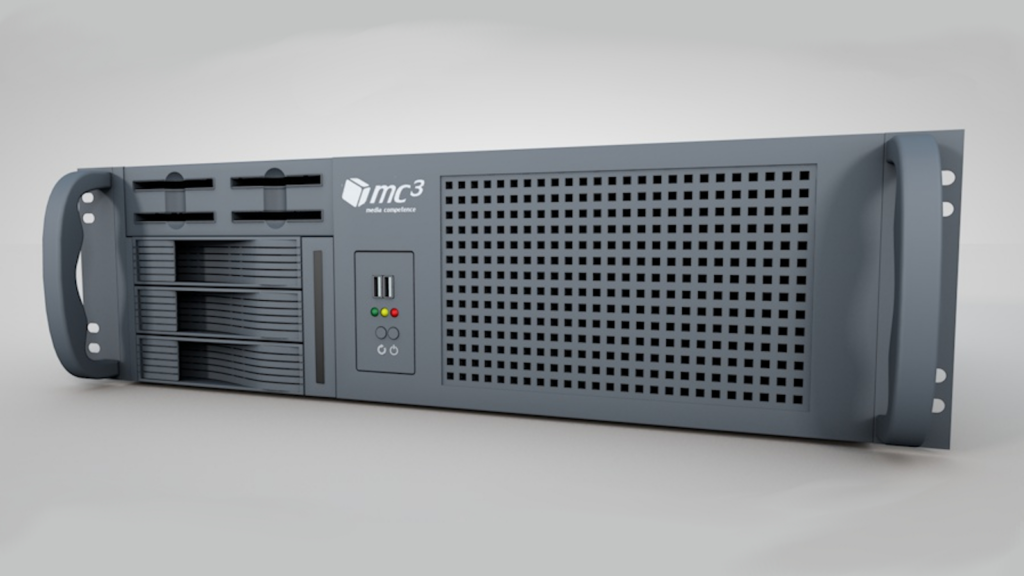
A headend system is the central control point of a TV signal distribution system. In simple terms, it is the location where all television signals are collected, managed, and then distributed across multiple rooms, screens, or buildings.
These signals may come from:
- satellite feeds
- cable providers
- local antenna broadcasts
- IPTV sources
- streaming integrations
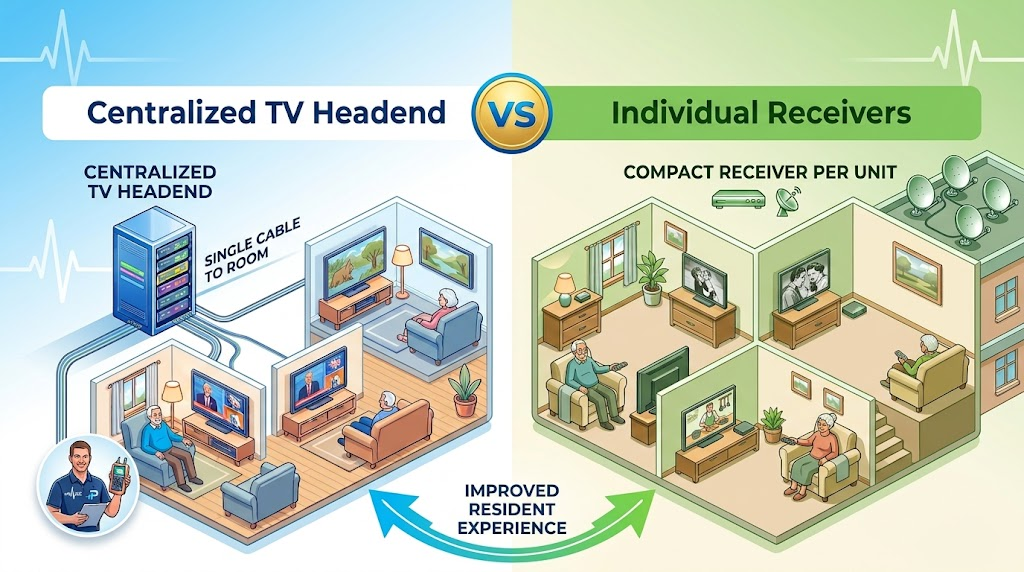
Instead of installing separate receivers in every room, digital headends for TV systems centralize signal processing in one secure location.
This makes content delivery:
- more scalable
- easier to manage
- cost-efficient
- more reliable
For commercial properties, this becomes the backbone of the entire TV infrastructure.
How Digital Headends for TV Systems Work
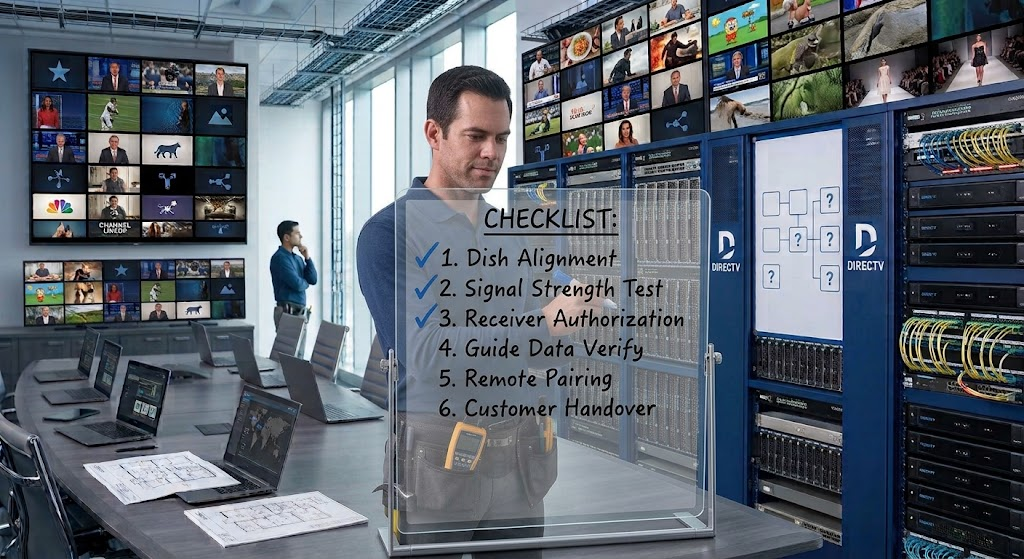
Modern digital headends for TV systems follow a clear workflow.
1. Signal Reception
The first step is receiving content from external sources. This may include:
- satellite dishes
- cable feeds
- broadcast antennas
- IP video streams
For example, a DIRECTV headend system receives satellite signals through commercial-grade dish infrastructure. Similarly, a Dish Network headend system uses DISH’s commercial satellite feeds.
2. Signal Decoding and Processing
Once signals enter the system, they are decoded and converted into a format suitable for internal distribution. This stage is one of the most important functions of digital headends for TV systems.
The system ensures:
- HD quality preservation
- signal stability
- channel mapping
- frequency conversion
- format compatibility
This is where raw incoming signals are transformed into a usable TV signal distribution system.
3. Channel Management
Commercial properties often need customized channel lineups.
For example:
Hotels may prioritize
- sports
- movies
- premium channels
- welcome screens
Hospitals may prioritize
- news
- educational content
- family entertainment
- multilingual channels
This is why digital headends for TV systems are preferred; they allow centralized content control.
4. Distribution Across the Building
After processing, the signal is distributed throughout the property. This may happen via:
- coaxial cable
- fiber infrastructure
- Ethernet/IP
- hybrid distribution networks
This creates a complete commercial TV distribution system capable of serving hundreds of rooms.
Why Headend Systems Matter in Commercial TV Networks
For commercial properties, the real question is practical: why invest in digital headends for TV systems? The answer is operational efficiency, long-term cost savings, and a better viewer experience.
Without a centralized headend, each room may require:
- Individual receivers
- Separate wiring
- More maintenance
- Higher equipment costs
A centralized cable TV headend system solves these problems.
Key Benefits of Digital Headends for TV Systems
The following are the key benefits of implementing digital headends for TV systems in commercial environments:
1. Centralized Management
One of the biggest advantages of a headend system is that all channels, content sources, and viewing configurations can be managed from a single centralized location.
For example, in a 200-room hotel, the operations team can update channel lineups, add promotional welcome screens, or adjust programming packages for all rooms without entering each unit. This not only saves time but also ensures a consistent viewing experience across the property.
In healthcare settings, administrators can centrally control educational channels, news programming, and patient entertainment content across multiple wards and waiting areas.
2. Lower Equipment Costs
A centralized cable TV headend system significantly reduces the need for room-by-room receivers, set-top boxes, and duplicate hardware installations.
In practical terms, instead of installing 100 individual receivers for 100 rooms, the property can use a single centralized headend rack that distributes signals throughout the building.
This leads to lower:
- Upfront installation costs
- Hardware replacement expenses
- Energy consumption
- Maintenance overhead
3. Easier Troubleshooting and Maintenance
With digital headends for TV systems, technical issues can often be identified and resolved from one control point.
For example, if multiple guest rooms on one floor lose access to sports channels, technicians can quickly diagnose whether the issue is with the signal feed, amplifier, or channel processor rather than checking every room individually.
This reduces downtime and helps businesses restore service faster, which is especially critical in hotels and hospitals where uninterrupted entertainment directly affects user satisfaction.
4. Better Scalability
Scalability is where digital headends for TV systems truly shine. As a business grows, the system can easily expand from serving 50 rooms to 500 rooms or even multiple buildings with minimal disruption.
For instance, if a hotel adds a new wing or renovates additional guest rooms, the existing headend infrastructure can typically be scaled to accommodate the expansion without redesigning the entire network. This makes it an ideal long-term solution for growing commercial properties.
5. Consistent Signal Quality
Because all content is processed and distributed from a centralized system, businesses benefit from more stable and uniform signal quality. This means guests in every room receive the same HD clarity, audio quality, and channel reliability, whether they are on the first floor or the top floor of the property.
In healthcare and senior living environments, this consistency is particularly important, as clear and uninterrupted programming contributes directly to patient comfort and resident satisfaction.
In hotels and healthcare settings, these operational advantages go beyond infrastructure—they directly improve the customer and patient experience, which is why PulseNetTV’s commercial solutions are built around reliability, scalability, and seamless content delivery.
Headend System Components
Understanding the components of headend systems is critical for facility managers and commercial decision-makers. Here are the primary components.
1. Satellite Receivers
Receive incoming satellite signals. Used in both:
- DIRECTV headend system
- Dish Network headend system
2. IRDs (Integrated Receiver Decoders)
Decode encrypted broadcast signals into usable video streams.
3. Encoders and Modulators
These convert signals into RF or IP-ready formats. This is one of the most important Headend system components in large commercial setups.
4. Channel Processors
Used to organize, filter, and customize channels.
5. Distribution Amplifiers
Ensure signal strength remains consistent across long cable runs.
6. Rack Systems
Most digital headends for TV systems are installed in centralized rack-mounted environments. This allows easy maintenance and scalability.
Types of Digital Headends for TV Systems
Different properties require different configurations.
DIRECTV Headend System
A DIRECTV headend system is one of the most popular commercial solutions. It is widely used in:
- Hotels
- Resorts
- Senior living communities
- Hospitals
Solutions like COM3000 are designed for large-scale centralized distribution.
Dish Network Headend System
A DISH Network headend system is ideal for businesses using DISH’s commercial programming packages. It offers flexible channel customization.
Digital Cable Headend System
A digital cable headend system works through cable provider feeds instead of satellite. This is commonly used in buildings with legacy cable infrastructure.
IPTV Headend Systems
Modern digital headends for TV systems increasingly support IPTV delivery. This is ideal for smart commercial environments using Ethernet-based infrastructure.
Digital Cable Headend for Cable Television Delivery System
A digital cable headend for a cable television delivery system is specifically built for cable-fed commercial properties.
This setup is common in:
- apartment buildings
- office complexes
- educational campuses
- healthcare facilities
The major advantage is that it integrates with existing coaxial infrastructure, reducing installation costs.
Where Headend Systems Are Commonly Used
1. Hotels and Resorts
Large hotels and resorts depend on digital headends for TV systems to deliver consistent entertainment across hundreds of rooms.
2. Hospitals
Hospitals require stable in-room patient entertainment and informational channels. This makes a centralized TV signal distribution system highly valuable.
The global hospitality TV solutions market is projected to grow from USD 3.8 billion in 2026 to USD 7.9 billion by 2033, reflecting strong demand for modern in-room entertainment infrastructure.
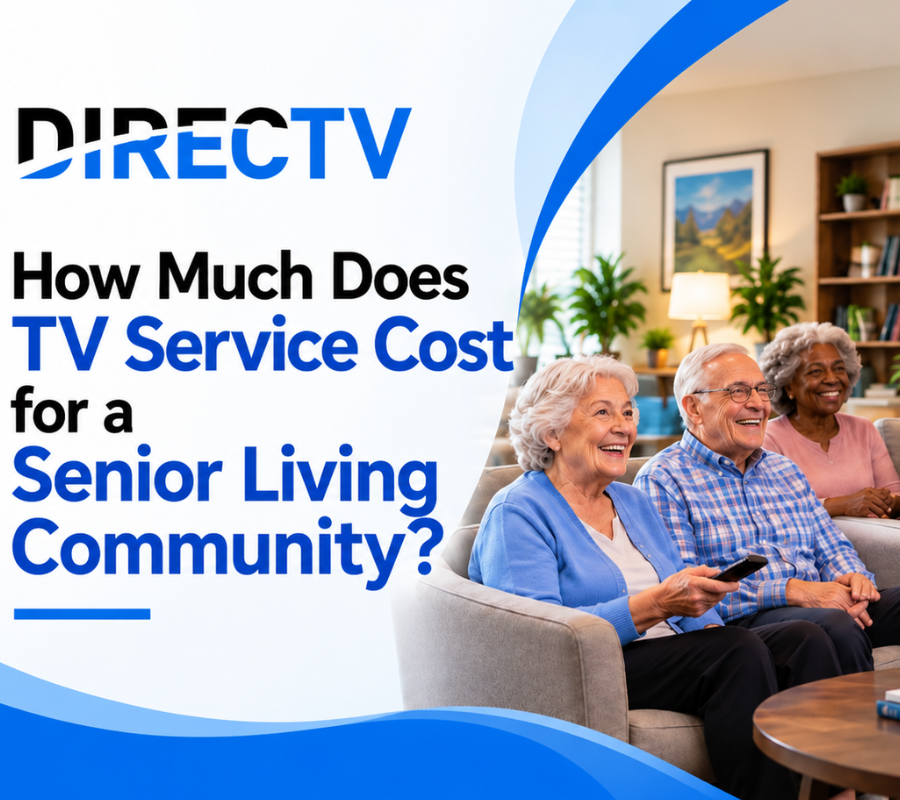
3. Senior Living Communities
Reliable TV access directly impacts resident comfort and satisfaction.
4. Corporate Spaces
Used in meeting rooms, lounges, cafeterias, and lobby displays.
How to Choose the Right Headend System
Choosing the right digital headends for TV systems is not just about signal delivery; it is a strategic infrastructure decision that affects cost, scalability, and long-term viewer experience. Businesses should evaluate the following factors before selecting a solution:
1. Property Size and Room Count
Start by assessing the scale of your property. A 50-room boutique hotel will have very different requirements than a 500-room resort, a hospital campus, or a multi-building senior living community.
The number of rooms, floors, and common-area displays directly impacts the capacity and architecture of the headend system. For larger properties, it is essential to choose a system that can handle higher channel loads and future room expansion.
2. Existing Infrastructure
Review the current building infrastructure before making a decision.
Ask questions such as:
- Does the property already have coaxial cabling?
- Is fiber or Ethernet available?
- Is the network ready for IPTV integration?
- Will existing distribution lines support HD signals?
A digital cable headend system may be ideal for properties with existing coax infrastructure, while newer smart buildings may benefit more from IP-based distribution. This helps reduce installation costs and deployment time.
3. Budget and Total Cost of Ownership
The budget should go beyond just the upfront equipment cost. Businesses should evaluate the total cost of ownership (TCO), including:
- Installation expenses
- Hardware requirements
- Licensing or programming fees
- Maintenance costs
- Energy consumption
- Future upgrades
For example, a lower upfront solution may become expensive over time if it requires frequent hardware replacements or room-by-room receivers. A scalable centralized headend often delivers better ROI in the long run.
4. Scalability for Future Growth
Scalability is one of the most important decision factors. Businesses should choose digital headends for TV systems that can grow with the property.
For example, if a hotel plans to expand from 100 rooms to 250 rooms over the next 2–3 years, the headend should support that growth without requiring a complete infrastructure redesign. Future-proofing the system today can save significant capital costs later.
5. Satellite, Cable, or IPTV Preference
The content delivery model also matters. Businesses need to decide whether they prefer:
- Satellite-based systems, such as a DIRECTV headend system
- Cable-fed systems
- IPTV-ready infrastructure
This choice depends on programming preferences, existing wiring, and long-term technology goals.
6. Vendor Support and Technical Service
Vendor support is often overlooked but has a major impact on long-term performance. A strong provider should offer:
- Installation support
- System configuration
- Ongoing maintenance
- Fast troubleshooting response
- Future upgrade consultation
In commercial environments such as hotels and hospitals, downtime can directly affect customer satisfaction, so responsive vendor support is critical. This is where working with an experienced provider like PulseNetTV becomes valuable.
Conclusion
A headend system is the invisible backbone behind every seamless commercial television experience. From hotels and hospitals to senior living communities and office spaces, digital headends for TV systems ensure reliable, centralized, and scalable signal delivery.
If your property is planning to upgrade its commercial TV distribution system, PulseNetTV offers specialized solutions tailored for hospitality, healthcare, and enterprise environments. Contact us today.
FAQs
What is a headend system in TV networks?
A headend system is the central location where TV signals are received, processed, and distributed across multiple screens or rooms.
What are the main Headend system components?
Receivers, IRDs, modulators, amplifiers, and distribution racks.
What is the difference between cable and satellite headend systems?
Cable systems use provider feeds, while satellite systems rely on dish-based signal reception.
Are digital headends for TV systems scalable?
Yes, they are designed for small to large commercial deployments.
Which industries use headend systems the most?
Hotels, hospitals, senior living, offices, and multi-dwelling properties.
