



When a resident presses play, they want comfort, familiarity, and ease, not frustration and confusion. In senior living communities, television is more than entertainment. It’s connection, routine, and peace of mind. But with so many options out there, cable, satellite, streaming, and hybrids, picking the right TV for Senior Living or any other related facility in 2026 can feel overwhelming.
This guide will walk you through the most important factors you must consider: cost, reliability, accessibility, ease of use, provider choices, and future-proofing. You’ll finish knowing exactly what questions to ask, what trade-offs to expect, and how to choose the best TV services for seniors that bring joy and consistency to your community.
TV for Senior Living: Why the Right Choice Matters

Emotional and social value
For many seniors, watching a favorite show or following the news is a daily ritual. It gives them something to talk about, to look forward to, and to do with others.
Sense of normalcy
Residents want their entertainment experience to feel as smooth and familiar as possible. Complexity or interruption can lead to frustration and complaints.
Operational efficiency
Staff don’t want to be constantly solving TV problems. A robust, easy, maintainable TV for senior living reduces calls, resident dissatisfaction, and emergency repairs.
Access & inclusion
Because sensory or mobility challenges increase with age, features like simple remotes, large on-screen text, captions, and audio description are essential, not optional.
In short, the “best” system isn’t just about what it shows, it’s about how it shows it to your residents and how easy it is for your staff to support.
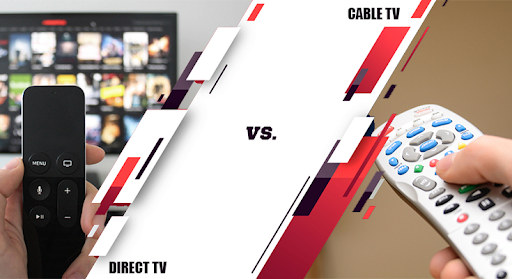
Cable vs. Satellite vs. Streaming: Where Each Shines (and Struggles)
Here’s a breakdown of how the major options compare, and where blending them often gives the best results.
Cable vs. Satellite vs. Streaming: Where Each Shines
| Feature | Cable | Satellite | Streaming / IPTV |
| Availability | Good in cities, limited in rural areas | Available almost everywhere with a clear sky view | Dependent on strong, stable internet |
| Cost structure | Box rentals and hidden fees | Bulk contracts reduce per-room cost | Internet upgrades increase total cost |
| Reliability | Can suffer from local outages | Strong signals, occasional weather disruption | Fully dependent on Wi-Fi strength |
| Ease of use | Multiple remotes and menus | Simplified bulk systems and remotes available | Interfaces vary, often confusing for seniors |
| Best for | Areas with solid infrastructure | Senior communities, rural areas, bulk deals | On-demand content, tech-savvy users |
Bulk Programming and Commercial-Grade TV Options
For a community of many units, the secret to cost control and consistency is bulk programming, signing a single contract that covers all units under one umbrella.
Here’s what you’ll find with commercial-grade and bulk services:
- Single-dish or headend systems: Rather than each room needing its own dish or cable line, one dish or central headend services the whole building.
- Custom channel lineups: You may exclude extreme premium channels or pick those especially relevant to seniors (news, classic TV, faith).
- Simplified remotes and guides: Many offerings include remotes with larger buttons, fewer menus, and high-contrast on-screen guides.
- Service agreements and support: Bulk contracts often include maintenance plans, rapid response times, and warranties suited for institutional use.
- Scalable solutions: As your community evolves or expands, bulk providers are often more flexible in scaling up.
Providers like DIRECTV offer commercial senior-living packages tailored to these needs. Integrators specialized in multi-unit housing or hospitality may bundle installation, tech support, and upgrades under one roof.
When evaluating TV for Senior Living, always ask (and test) guided user experience, how intuitive is the remote, how big is the text on the menu, how easy is troubleshooting across dozens of rooms?
Accessibility, Inclusion, and Legal Requirements
In 2026, accessibility is a requirement, not a luxury. Senior living communities must ensure their TV service supports inclusive viewing. Key elements:
- Closed Captioning: Easily toggleable captions, adjustable styles (size, color), always accessible from the menu.
- Audio Description (AD): Narration of on-screen visual cues to aid visually impaired residents. Many markets now mandate AD in certain programming.
- Accessible user interfaces: Channel guides with large fonts, high contrast, and uncluttered layouts.
- Senior-friendly remote controls: Big buttons, minimal functions, clarity in labeling.
- Default settings for accessibility: TV systems should remember audience preferences (e.g., captions always on) rather than forcing repeated setup.
When you negotiate contracts, insist that accessibility features be built in, not add-ons. Ask for a demo in “senior mode” to test menus, captions, and remote usability with real users.
Cost Breakdown and Forecasting
When looking for a TV for senior living, a clean budget helps avoid surprises. Include all of the following lines in your TV budget:
- Programming/license fees under the bulk or institutional package
- Equipment costs — set-top boxes, central headend or dish, remote controls
- Installation — cabling, mounting dishes, wiring, network setup
- Internet/bandwidth — especially if streaming is part of the plan
- Maintenance and support — repair, replacements, on-call technicians
- Staff training and orientation — educating your staff and residents
- Upgrade / refresh cycles — periodically replacing older hardware
Negotiate multi-year deals or locked-rate contracts. Request cap clauses so annual increases are predictable. Always ask for a breakdown of “hidden fees,” equipment rental, taxes, surcharges, or “broadcast fees,” and push for transparency.
DIRECTV bulk packages are structured to deliver maximum value at the lowest cost per room. Unlike cable providers that often add hidden fees for boxes and line rentals, DIRECTV’s pricing is transparent and predictable.
Streaming services, while popular in households, often require expensive internet upgrades to function properly in a large community setting. They also create confusion for residents who struggle with apps, passwords, and multiple devices. Satellite avoids these issues entirely.
Why Satellite, Especially DIRECTV, Stands Out for Senior Living in 2026
While cable, streaming, and hybrid options all have their strengths, satellite continues to be the most reliable and cost-effective choice for many senior communities. Among the available satellite providers, DIRECTV remains the leader in 2026, offering specialized solutions for multi-unit housing, healthcare facilities, and senior living communities.
Here is why DIRECTV deserves serious consideration:
- Widest channel variety — From news to classic TV to faith-based programming, DIRECTV offers packages that match the viewing preferences of senior audiences.
- Bulk programming for communities — With DIRECTV, you can cover every room under one affordable bulk plan, reducing administrative headaches and saving on per-room costs.
- High reliability — DIRECTV’s signal is strong across most regions, including rural areas where cable often falls short.
- Accessibility features — Enhanced closed captioning, user-friendly remotes, and large-print guides make it easier for elderly residents to watch comfortably.
- Dedicated support for facilities — DIRECTV works with commercial partners who specialize in senior living, meaning installation, training, and ongoing support are tailored to community needs.
- Future-ready services — DIRECTV continues to evolve with streaming integrations, giving you both the reliability of satellite and the flexibility of modern entertainment.
For senior living administrators who want peace of mind, fewer complaints, and a system that simply works, DIRECTV offers the most balanced entertainment packages for seniors in 2026.
FAQs About TV for Senior Living
Which is better for senior communities, cable or satellite?
Satellite is generally better for senior living because it offers broader availability, lower per-room costs through bulk packages, and simpler systems for residents to use.
Is weather a major issue with satellite?
Modern systems are designed to minimize weather-related disruptions, and DIRECTV has strong reliability. Most facilities experience very few service interruptions.
Do residents need separate contracts?
No, with a bulk agreement, the entire community is covered under one plan. This makes billing and management far easier.
Is streaming a good option for seniors?
Streaming works best as a supplement, not a replacement, since it requires strong internet and often confuses less tech-savvy residents.
What is the best provider for senior living facilities in 2026?
DIRECTV is the top choice for senior communities because it offers tailored bulk packages, user-friendly systems, and strong customer support.
Conclusion: Satellite TV is the Smart Choice for Senior Communities
Television is more than entertainment for seniors. It is comfort, familiarity, and connection. While cable and streaming have benefits, satellite TV offers the reliability, accessibility, and cost control that senior living communities need most in 2026.
For administrators looking to simplify operations and give residents a seamless entertainment experience, DIRECTV is the strongest option. Its bulk programming, senior-friendly features, and broad availability make it the most dependable solution for today and the years ahead.
If you are looking for the best Satellite TV services, PulseNetTV is the leading DIRECTV dealer that specializes in senior living communities. With unbeatable service, reliable installation, and tailored support, PulseNet ensures your residents enjoy television the way it should be simple, comfortable, and worry-free.
