


Not sure whether satellite TV or streaming is the better choice for your home? You’re not alone. With DIRECTV offering both options, the right choice depends on more than just the monthly price. Your internet connection, location, viewing habits, sports preferences, DVR needs, and even whether you live in a house or apartment can all make a difference.
DIRECTV Streaming can also be a practical option beyond residential viewing. Businesses are increasingly using streaming to create better entertainment experiences for customers, and you can learn more about DIRECTV Streaming for businesses.
In this guide, we’ll compare DIRECTV satellite and streaming side by side, including channels, pricing, sports, DVR, internet requirements, installation, and more, so you can choose the option that fits your needs.
Satellite vs Streaming: Side-by-Side Comparison
| Feature | Satellite | Streaming |
| How It Works | Satellite dish | Internet connection |
| Dish Required | Yes | No |
| Internet Required | No for basic TV | Yes |
| Channels | 175+–350+ | 90+–185+ |
| DVR | Up to 200 HD hours | Unlimited cloud DVR |
| Best For | Rural homes & traditional TV | Reliable internet & flexible viewing |
Channel counts, features, equipment, pricing, taxes, and fees vary by package and location.
What Is DIRECTV Satellite?
DIRECTV Satellite delivers television through a satellite signal received by a dish installed at your home. It is the more traditional DIRECTV experience, with a receiver, channel guide, and physical DVR equipment.
One major advantage is that basic television service does not depend on your home’s internet connection. That can be especially important for households with slow, unreliable, or unavailable high-speed internet. DIRECTV currently lists satellite packages ranging from 175+ channels with ENTERTAINMENT to 350+ channels with PREMIER.
Satellite service does require professional installation and outdoor equipment, however. That can make it less convenient for renters, apartment residents, or people who move frequently.
What Is DIRECTV Streaming?
DIRECTV Streaming delivers live television over an internet connection rather than through a satellite dish. You can watch through compatible smart TVs, streaming devices, computers, smartphones, tablets, and other supported devices.
Current DIRECTV streaming packages range from 90+ channels to 185+ channels, depending on the package. DIRECTV also offers Genre Packs starting at $20.99 per month for viewers who want a more focused channel lineup.
The biggest requirement is a reliable internet connection. DIRECTV recommends around 8 Mbps per stream, with faster service recommended when several people are watching simultaneously or when using 4K and other high-bandwidth services.
Streaming has also become a major part of modern TV viewing. Nielsen reported that streaming accounted for 44.8% of total U.S. TV viewing in May 2025, exceeding broadcast and cable combined for the first time.
DIRECTV Satellite vs Streaming: What Is the Biggest Difference?
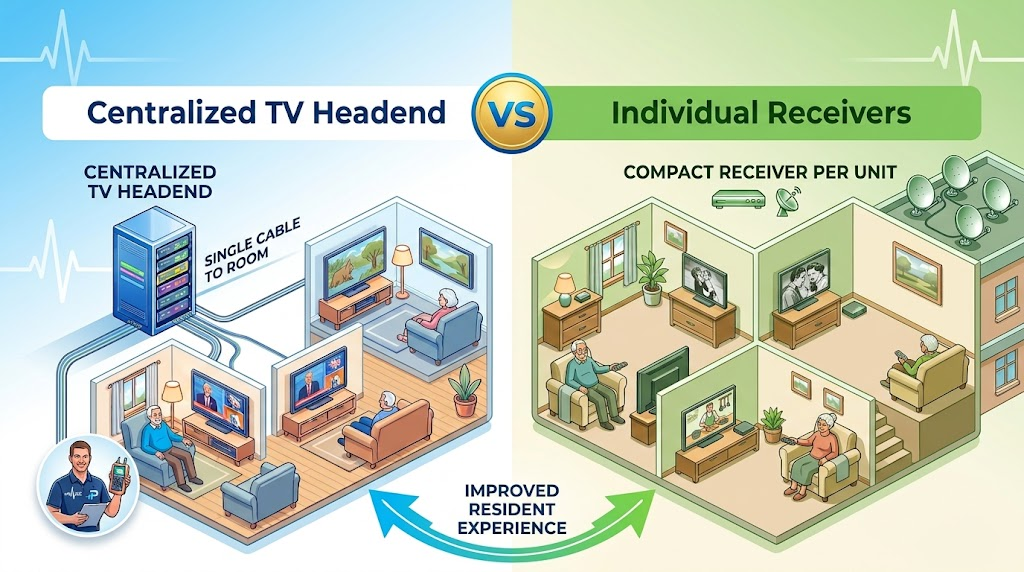
The biggest difference is how the television signal reaches your home. Satellite uses a dish and satellite signal. Streaming uses your internet connection.
That difference affects almost everything else:
- Installation: Satellite requires a dish and professional installation; streaming does not.
- Internet: Satellite does not require internet for basic TV; streaming does.
- Mobility: Streaming is generally easier to use on multiple supported devices and locations.
- Weather: Heavy weather can interfere with satellite reception.
- DVR: Satellite uses physical DVR storage, while streaming uses cloud DVR technology.
- Location: Satellite can be particularly useful where high-speed internet is limited.
Neither option is automatically better for everyone. The right choice depends on your home and how you watch TV.
DIRECTV Satellite or Streaming: Which Is Better for Your Home?
For a home with dependable high-speed internet, streaming can be the simpler choice. There is no satellite dish, installation is generally easier, and you can use compatible devices throughout the home.
Satellite can make more sense when internet service is limited, inconsistent, or expensive. It is also attractive to viewers who prefer a traditional TV setup with a receiver, physical DVR, and familiar channel-navigation experience.
Think about your biggest priority:
Choose streaming if you value:
- No satellite dish
- Flexible device options
- Cloud DVR
- Easy setup
- No long-term satellite installation
- Reliable high-speed internet
Choose satellite if you value:
- Less dependence on internet service
- Traditional TV equipment
- Physical DVR recordings
- Extensive channel lineups
- A solution for locations with limited broadband
DIRECTV Satellite Vs. DIRECTV Streaming Cost
Price is important, but the advertised monthly price is not always the same as your final bill. Taxes, equipment, regional sports fees, activation charges, promotional discounts, and other requirements can affect the total.
Current advertised package prices are approximately:
| Package | Satellite | Streaming |
| ENTERTAINMENT | $89.99/mo. | $89.99/mo.* |
| CHOICE | $94.99/mo. | $94.99/mo.* |
| ULTIMATE | $124.99/mo. | $124.99/mo.* |
| PREMIER | $169.99/mo. | $169.99/mo.* |
Satellite pricing shown by DIRECTV is tied to a 24-month agreement and may include required fees. Streaming promotions can offer lower introductory pricing, and DIRECTV states that streaming can be canceled anytime.
Streaming promotional prices can change. For example, DIRECTV currently advertises introductory offers such as $59.99 for the first month on eligible ENTERTAINMENT plans. Always check the current offer before subscribing.
The real question is not simply which service has the lower advertised price. Compare the total monthly cost, including required fees, equipment, installation, add-ons, and promotional expiration dates.
DIRECTV Satellite vs DIRECTV Streaming Channels
Channel availability is one of the biggest reasons people still consider satellite.
DIRECTV currently lists approximately 175+, 215+, 280+, and 350+ channels across its four satellite packages.
Streaming packages offer smaller lineups, currently ranging from roughly 90+ to 185+ channels depending on the plan.
That does not necessarily mean satellite is better. Many viewers would rather have a smaller lineup containing the channels they actually watch than hundreds of channels they rarely use.
Before choosing a package, check the specific channels that matter most to your household.
DIRECTV Satellite vs DIRECTV Streaming Sports
Sports can be a deciding factor.
DIRECTV offers sports-focused programming through its regular packages and add-ons. Its Sports Pack is currently listed at $14.99 per month and includes more than 30 specialty sports channels for eligible customers, with additional regional sports networks available to qualifying packages.
Satellite can appeal to serious sports fans who want a large traditional channel lineup. Streaming, meanwhile, can be more convenient for viewers who want to watch on different supported screens around the home.
The best choice depends less on satellite versus internet and more on which package includes the sports networks you actually need.
DIRECTV Satellite vs DIRECTV Streaming DVR
DVR functionality is another important difference. Satellite DVR service stores recordings on the physical receiver. DIRECTV says its satellite technology supports up to 200 hours of HD DVR storage, and recordings remain on the device rather than relying on cloud storage.
Streaming uses a cloud DVR, which removes the need to manage physical storage on a receiver. DIRECTV describes its streaming DVR as unlimited, although cloud recordings have an expiration period.
If you record a lot of television, cloud DVR can be convenient. If you prefer recordings stored locally on your equipment, satellite may feel more familiar.
DIRECTV Satellite vs DIRECTV Streaming Internet Requirements
This is one of the clearest deciding factors. With satellite, you do not need an internet connection for basic live television. Internet can still be useful for connected features and other household devices, but your core TV signal comes through the satellite.
With streaming, your internet connection is essential. DIRECTV recommends approximately 8 Mbps per stream, while households with several connected devices may need substantially more bandwidth.
For example, if one person is watching DIRECTV while another is gaming, someone else is using video calls, and several devices are connected to Wi-Fi, a faster internet plan can provide a much better experience.
Directv Satellite Vs Internet: What Matters Most?
The important question is not whether satellite is old-fashioned or streaming is newer. It is whether your internet service can consistently handle the way your household uses it.
If your broadband service is excellent, streaming is attractive.
If broadband is limited or unreliable, satellite can provide a more dependable television option.
DIRECTV Satellite or Streaming Installation
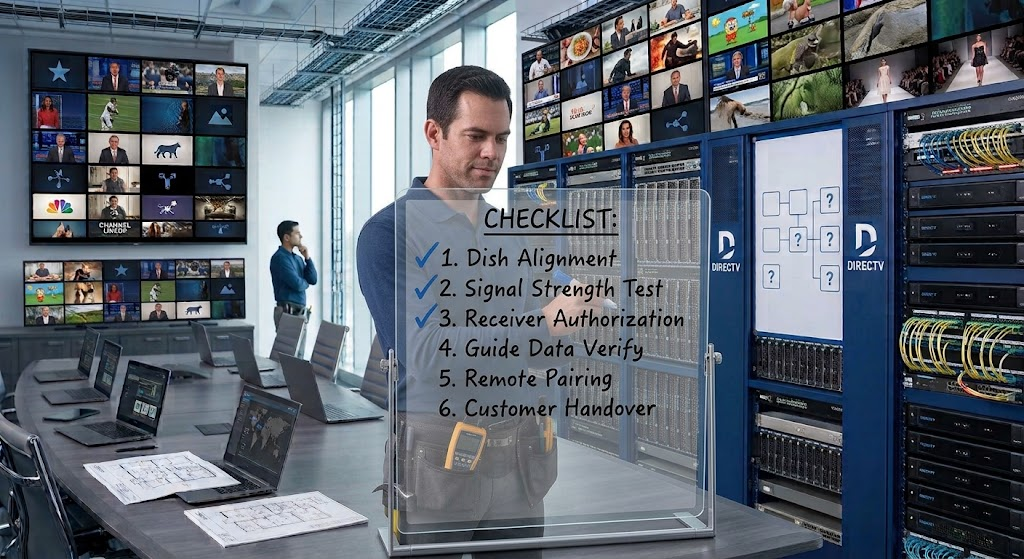
Installation is generally simpler with streaming. Satellite service requires a dish and professional installation. The location of the dish matters because it needs an appropriate signal path.
Streaming does not require a satellite dish. You need a compatible device and an internet connection, making setup considerably easier for many households.
That difference can matter when you are moving, renting, living in a community with installation restrictions, or simply do not want equipment attached to your home.
DIRECTV Satellite Vs. DIRECTV Streaming for Rural Areas
Rural households should pay particularly close attention to internet availability.
If your location has strong, reliable broadband, streaming may work very well. But if high-speed internet is unavailable, unreliable, or expensive, satellite can be a practical alternative because basic TV service does not rely on broadband.
This is one situation where the older technology can still solve a modern problem.
DIRECTV Satellite vs DIRECTV Streaming for Apartments
Apartment living often favors streaming. A satellite installation may be affected by building rules, landlord requirements, balcony limitations, or the availability of an appropriate dish location.
Streaming avoids those physical installation concerns. As long as you have a reliable internet connection and a compatible device, you can generally set up your TV service without installing outdoor equipment.
For renters and people who move frequently, that flexibility can be a major advantage.
DIRECTV streaming vs satellite TV: What’s different?
The viewing experience can feel surprisingly similar because both options provide access to live DIRECTV programming.
The biggest differences are behind the screen:
Satellite:
Dish → satellite signal → receiver → TV
Streaming:
Internet → streaming device/app → TV
Streaming gives you more freedom from physical equipment, while satellite gives you greater independence from your internet connection.
What Happens If Your Internet Goes Out?
This is where satellite has an obvious advantage. If your internet goes down, streaming television generally cannot continue normally because the service depends on the internet connection.
With satellite, basic live television can continue even when your home’s internet service is unavailable, assuming the satellite signal itself is working.
However, satellite is not immune to interruptions. Severe weather can temporarily affect the signal, so neither option is completely outage-proof.
DIRECTV Streaming vs Satellite: Which Is More Flexible?
Streaming generally wins on flexibility. You can use compatible smart TVs and streaming devices without installing a satellite dish. It is also easier to integrate internet-based entertainment into the same setup.
Satellite is more traditional and equipment-focused, but that can actually be an advantage for viewers who prefer a dedicated television system rather than switching between apps and devices.
Your definition of “flexibility” matters: streaming is more flexible physically, while satellite is more independent from broadband.
DIRECTV Satellite and Streaming differences That Matter Most
The differences that should actually influence your decision are:
- Internet dependence: Streaming requires it; satellite does not for basic TV.
- Installation: Satellite requires a dish; streaming does not.
- Channel count: Satellite currently offers larger package lineups.
- DVR: Satellite uses physical storage; streaming uses cloud storage.
- Mobility: Streaming is easier to move between compatible devices.
- Location: Rural homes with weak broadband may benefit from satellite.
- Housing: Apartments and rentals may favor streaming.
- Viewing habits: Heavy DVR users and traditional TV viewers may prefer satellite.
- Cost structure: Satellite may involve agreements and required fees, while streaming emphasizes flexibility and promotional pricing.
Is DIRECTV Satellite better than Streaming?
Satellite may be better if you live somewhere with limited internet options, want a large traditional channel lineup, or prefer a physical DVR and traditional TV setup.
It is also worth considering if television is your main reason for having a home internet connection or if you simply do not want your TV service to stop whenever broadband goes down.
Is DIRECTV Streaming better than Satellite?
Streaming may be better if you have reliable high-speed internet and want to avoid satellite equipment. It is particularly appealing for renters, apartment residents, frequent movers, and households that already use smart TVs and streaming devices.
It also provides the convenience of cloud DVR and a more internet-centered viewing experience.
Picture Quality and Everyday Viewing
Both options can provide a high-quality viewing experience, but your overall setup matters.
Satellite delivers the television signal directly to your receiver, while streaming quality depends heavily on your internet connection, home network, device, and available bandwidth.
- If your internet is fast and stable, the difference may be difficult to notice during normal viewing.
- If your internet connection fluctuates, streaming quality can be affected by buffering or reduced resolution.
What About Multiple TVs and Devices?
A larger household should consider how many people will watch at the same time.
Streaming makes it easy to use compatible connected devices, but each simultaneous stream uses bandwidth. A busy household may therefore need a stronger internet connection.
Satellite uses receivers and connected equipment, so the setup is more hardware-oriented. If several people watch TV at once, consider your entire home entertainment setup, not just the advertised package price. Not sure if the ENTERTAINMENT package has the channels and features you need? Take a closer look at the DIRECTV Entertainment Package before making your choice.
Satellite vs Streaming: Key Advantages and Drawbacks
Before making a decision, it helps to understand what you gain and what you give up with each option. This quick breakdown highlights the most important differences.
DIRECTV Satellite Pros
- Does not require internet for basic live TV
- Large channel lineups
- Up to 200 hours of HD DVR storage
- Strong option for areas with limited broadband
- Traditional TV experience
DIRECTV Satellite Cons
- Requires a satellite dish
- Professional installation
- Weather can affect the signal
- Equipment is less convenient for frequent movers
- Satellite plans can include agreements and additional fees
DIRECTV Streaming Pros
- No satellite dish
- Easier setup
- Cloud DVR
- Works with compatible connected devices
- Convenient for apartments and renters
- Flexible cancellation
DIRECTV Streaming Cons
- Requires reliable internet
- Multiple streams consume bandwidth
- Internet outages can interrupt service
- Channel lineups can be smaller than satellite packages
- Cloud recordings have different storage rules than physical DVR recordings
Which One Should You Choose?
Here is the simplest way to decide:
Choose DIRECTV Satellite if:
- You live in a rural area with limited high-speed internet.
- You want the largest possible DIRECTV channel lineup.
- You prefer a traditional TV receiver and physical DVR.
- You do not want basic TV service to depend on your internet.
- You are comfortable with professional installation.
Choose DIRECTV Streaming if:
- You have reliable high-speed internet.
- You live in an apartment or rental.
- You move frequently.
- You do not want a satellite dish.
- You prefer cloud DVR and connected-device viewing.
- You want more flexibility around cancellation and setup.
There is no universal winner. The better option is the one that fits your internet connection, location, home type, budget, and viewing habits.
Final Verdict: DIRECTV Satellite vs DIRECTV Streaming
The choice ultimately comes down to one question: What matters more to you independence from the internet or flexibility without a satellite dish?
Satellite remains a strong choice for rural households, traditional TV viewers, and anyone who wants a large channel lineup without depending on broadband for basic television.
Streaming is often the better fit for connected households with reliable internet, especially renters, apartment residents, and viewers who want simple installation and cloud-based viewing. The good news is that DIRECTV gives customers both approaches, so you can choose the setup that matches the way your household actually watches TV.
Note: Pricing, promotions, channel lineups, equipment requirements, taxes, and fees can change. Always verify the current DIRECTV offer and package details before subscribing.
Ready to Choose the Right DIRECTV Option?
If you are still comparing your options, the best choice depends on your location, internet availability, household size, viewing habits, and the channels you care about most.
Contact PulseNetTV to discuss your requirements and find the DIRECTV solution that makes the most sense for your home or business.
Frequently Asked Questions
Is DIRECTV Satellite better than DIRECTV Streaming for rural homes?
It can be. If reliable high-speed internet is difficult to obtain in your area, satellite can be a better fit because basic TV service does not depend on your internet connection.
Does DIRECTV Streaming require Wi-Fi?
DIRECTV Streaming requires an internet connection, but it does not necessarily have to be Wi-Fi. A compatible device can use a wired internet connection where supported.
Does DIRECTV Satellite require internet?
No. Basic satellite television does not require an internet connection. Internet may still be useful for connected features and other devices.
Which has more channels, satellite or streaming?
Satellite generally offers larger channel packages. DIRECTV currently lists up to 350+ channels on its PREMIER satellite package, compared with up to 185+ channels on its standard streaming packages.
Which has better DVR storage?
Satellite provides physical DVR storage, with DIRECTV listing up to 200 hours of HD recording capacity. Streaming uses unlimited cloud DVR, subject to its cloud recording rules and expiration periods.
Does DIRECTV Satellite work during bad weather?
Satellite service can be affected by severe weather conditions that interfere with the satellite signal. The severity and duration of an interruption can vary.