


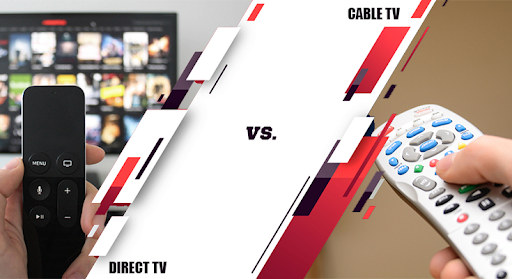

The way we watch television is changing faster than ever. The era of bulky satellite dishes and complex installations is giving way to sleek, internet-based streaming solutions. Yet, for millions of Americans, the name DIRECTV still defines premium television. As of May 2026, streaming accounted for 44.8% of total TV viewing, overtaking cable and broadcast for the first time, according to Nielsen.
But with two distinct services, Traditional DIRECTV and DIRECTV Stream, the big question arises: which one truly fits your lifestyle?
This blog provides a detailed comparison that unpacks everything you need to know about Traditional DIRECTV vs DIRECTV Stream, including their setup, features, performance, pricing, and ideal users. Whether you love the reliability of satellite TV or the flexibility of streaming, this guide helps you choose confidently.
Traditional DIRECTV vs DIRECTV Stream: Key Differences Explained
Before comparing performance or cost, it’s essential to understand what each service actually is.
What Is Traditional DIRECTV?
Traditional DIRECTV, often known simply as DIRECTV Satellite, is the classic service that uses a satellite dish to deliver live TV directly to your home. It’s known for:
- Consistent high-definition broadcasts
- Broad channel selection, including sports and regional networks
- Reliable service even in rural or low-internet areas
Traditional DIRECTV is perfect for households that want the full, cable-like experience, reliable, stable, and designed for one main viewing location.
What Is DIRECTV Stream?
DIRECTV Stream is the modern evolution of television, a fully internet-based platform that delivers live and on-demand TV via streaming. There’s no dish, no installer visit, and no long-term contract required.
You simply download the DIRECTV Stream app on your smart TV, tablet, or mobile device and start watching instantly. It’s flexible, portable, and ideal for multi-device households that prioritize convenience.
Traditional DIRECTV vs DIRECTV Stream: Side-by-Side Comparison
Here’s how the two stack up when compared on key features and performance metrics.
| Feature | Traditional DIRECTV (Satellite) | DIRECTV Stream (Internet-Based) |
| Setup | Requires professional installation and a dish | App-based setup, no dish or technician |
| Equipment | Satellite dish + receiver box | Streaming device or app |
| Channel Lineup | 150+ live channels, premium add-ons | 140+ channels, on-demand library |
| Portability | Home-based only | Watch on any device, anywhere |
| Internet Required | No | Yes (minimum 25 Mbps recommended) |
| Contract | Typically 2 years | Month-to-month flexibility |
| Ideal For | Stable home viewing, rural users | Streamers, mobile households |
1. Setup and Installation: Simplicity vs Stability
One of the biggest differences between Traditional DIRECTV vs DIRECTV Stream lies in setup.
- Traditional DIRECTV requires a satellite dish installation and professional setup to connect your receiver box to the satellite signal. Once done, you’ll enjoy uninterrupted TV without relying on your internet speed.
- DIRECTV Stream, on the other hand, is entirely plug-and-play. Just download the app on a compatible device or use the DIRECTV Stream Box, connect to Wi-Fi, and start watching. No technician needed, no drilling, no hardware on your roof.
If you prefer quick, cable-free convenience, DIRECTV Stream clearly wins this round.
2. Technology: Satellite Signal vs Internet Streaming
The underlying technology defines the core experience.
- Traditional DIRECTV transmits channels via satellite signals from space to your dish, ensuring stable HD quality even in areas with poor internet access. It’s perfect for homes in rural or suburban locations with limited broadband.
- DIRECTV Stream, meanwhile, uses internet-based streaming technology similar to Netflix or Hulu, allowing live TV to run on your broadband network. You can watch on multiple devices simultaneously, something satellite TV cannot do natively.
In short:
- Satellite = Reliability
- Streaming = Flexibility
3. Performance and Video Quality

When comparing Traditional DIRECTV vs DIRECTV Stream, performance often comes down to your environment.
- Traditional DIRECTV offers consistent HD and 4K quality without depending on internet speeds. However, during extreme weather (heavy rain or snow), signal interference can occur, though rarely for long.
- DIRECTV Stream delivers crisp HD and even 4K resolution as long as your internet connection remains stable. Households with fast fiber or cable internet (25 Mbps or higher) can expect smooth, lag-free performance.
If your home already has a strong broadband connection, you’ll enjoy an equally seamless experience with DIRECTV Stream, without the weather worries.
4. Channel Lineups and Packages
Both platforms share a similar channel structure, but how you access them differs.
Traditional DIRECTV Packages
DIRECTV Satellite offers a rich selection through its Entertainment, Choice, Ultimate, and Premier packages. These include:
- Local and national sports (ESPN, FOX Sports, NFL Sunday Ticket)
- Premium networks (HBO, Showtime, Starz)
- Dozens of regional and specialty channels
This setup is perfect for households that crave comprehensive channel coverage with minimal streaming dependency.
DIRECTV Stream Packages
DIRECTV Stream mirrors these tiers but offers more on-demand options. You can watch live channels, access cloud DVR, and stream recorded content across devices. For sports lovers, DIRECTV Stream still includes regional sports networks, ensuring you don’t miss local games, something many streaming competitors lack.
For a detailed breakdown of all available channels across entertainment, sports, news, and movies, check out our ultimate DIRECTV channel list to explore which package best fits your viewing preferences.
5. Cost Comparison: Traditional vs Stream
Let’s talk value.
- Traditional DIRECTV: Pricing typically includes a base package fee, equipment cost, and installation charges, often bundled into a 2-year contract. However, it offers significant discounts for new users and long-term reliability for multi-TV homes.
- DIRECTV Stream: Features month-to-month pricing, no contract commitment, and no equipment fees (unless you choose a DIRECTV Stream box). While monthly rates can be slightly higher than satellite on paper, the absence of installation and early termination fees balances it out.
In short:
- Want flexibility? Go Stream.
- Want stability? Go Satellite.
6. Portability and Device Access
This is where DIRECTV Stream takes a clear lead. You can watch your favorite shows on smart TVs, tablets, smartphones, or laptops, no matter where you are. Whether traveling or multitasking around the house, DIRECTV Stream keeps your entertainment mobile.
By contrast, Traditional DIRECTV is tied to your receiver, meaning you’ll watch exclusively on connected TVs within your home setup.
7. DVR and Cloud Storage

Recording your favorite shows has never been easier, but each platform does it differently.
- Traditional DIRECTV uses a physical DVR receiver. It’s dependable and easy to use, but limited to local storage.
- DIRECTV Stream offers cloud-based DVR, letting you record, pause, and replay content from any device, anywhere.
Cloud DVR wins for convenience, especially if you switch devices or travel often.
8. Reliability and Internet Dependence
This factor might decide it for you.
- Traditional DIRECTV doesn’t rely on the internet, making it the top choice in areas with poor connectivity or frequent outages.
- DIRECTV Stream thrives where high-speed broadband is available. If you have a fiber or cable connection, it’s just as reliable and delivers smoother updates, faster channel switching, and instant app access.
If your region struggles with stable Wi-Fi, stick with satellite. Otherwise, the streaming option wins for versatility.
You can also explore our guide on why businesses choose DIRECTV streaming for a deeper look at DIRECTV Stream.
Which One Is Better for You?
Your decision between Traditional DIRECTV vs DIRECTV Stream depends entirely on your lifestyle:
| You Should Choose… | If You… |
| Traditional DIRECTV | Live in a rural area, prefer a stable connection without relying on Wi-Fi, and enjoy a traditional TV setup. |
| DIRECTV Stream | Prefer flexibility, want to watch across multiple devices, and have fast, reliable internet. |
Both provide excellent access to live TV and premium entertainment, but their delivery methods and setup experiences are worlds apart.
The Future of DIRECTV: Bridging Satellite and Streaming
The future of TV is hybrid, and DIRECTV is leading the way. By blending the reliability of satellite with the flexibility of streaming, DIRECTV offers a viewing experience built for the modern era. As broadband expands, more users are turning to internet-based TV that delivers smart recommendations, AI-powered personalization, and seamless switching between live and on-demand shows. DIRECTV is evolving to keep entertainment simple, connected, and ahead of the curve.
Whether you prefer the consistency of Traditional DIRECTV or the freedom of DIRECTV Stream, both deliver the same trusted quality; it’s all about how you want to connect.
Ready to upgrade your viewing experience? Discover DIRECTV plans with PulseNet today and step into the future of entertainment.
